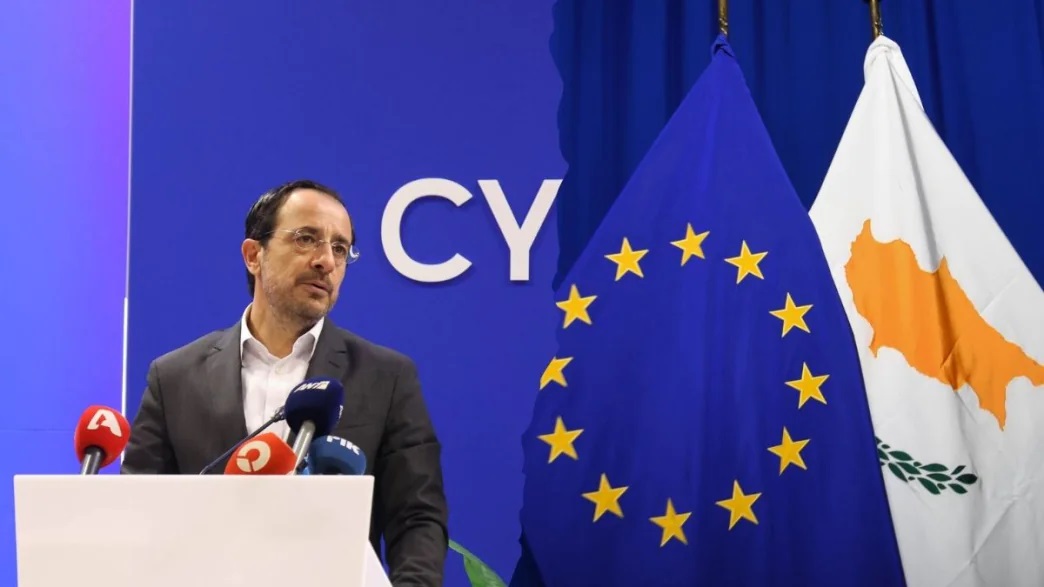



On January 1, the Republic of Cyprus assumed the six-month Presidency of the Council of the EU, taking over from Denmark. This is Cyprus’s second EU Presidency. The island held this role for the first time in the second half of 2012.
Cypriot President Nikos Christodoulides previously noted that his country was assuming the presidency of the Council of the EU “against a backdrop of acute geopolitical upheaval and unpredictability.” He promised that Cyprus would work to strengthen the EU’s autonomy, which, according to the president, is “a necessary next step in the evolving project of European integration.” According to Christodoulides, “a more autonomous union will demonstrate the necessary internal strength to cooperate with external partners when possible, and act independently when necessary.”
The island nation’s leader outlined five interrelated goals along this path: ensuring security and strengthening defense, enhancing crisis preparedness, increasing competitiveness and greater openness to the world, promoting universal values, and developing a budget that would support the existence of a self-sufficient union. The President identified strengthening defense and security, including energy security, economic resilience, effective management of migration flows, strengthening digital sovereignty and regional connectivity, and ensuring sustainable reductions in greenhouse gas emissions as key areas for Cyprus during its presidency. Cyprus will also focus on strengthening the rule of law, protecting children, guaranteeing online safety, supporting gender equality, promoting poverty reduction initiatives, and providing affordable housing.
In foreign policy, Cyprus seeks to prioritize the EU enlargement agenda and enhance the European community’s role in shaping global affairs. Cyprus also attaches particular importance to addressing water scarcity and political and economic rapprochement between the EU and Middle Eastern countries. Christodoulides announced in advance an invitation to the leaders of many Middle Eastern and Mediterranean countries to participate in an informal EU summit scheduled for April 23-24 in Nicosia. In total, during Cyprus’s Presidency of the Council of the EU, the island is expected to host more than 260 events with the participation of 30,000 guests from European countries.