The international ethnographic expedition “Greater Altai: Turkic Heritage 2026” has concluded following ten days of field research conducted from August 10 to 19. Bringing together researchers from Russia, Kyrgyzstan, Tajikistan, Turkmenistan, and Uzbekistan, the joint initiative explored the daily life, crafts, and spiritual customs of indigenous Altai peoples—including the Kumandins, Chelkans, Tubalars, and Altaians.
The expedition covered approximately 2000 kilometers across Biysk, Gorno-Altaisk, Lake Teletskoye, and the Turochak, Ust-Kan, and Ust-Koksa districts. Researchers engaged directly with local elders, craftspeople, and cultural centers to record living heritage, ranging from traditional fire worship rituals in Biysk to ancient felting techniques and wedding customs in remote villages.
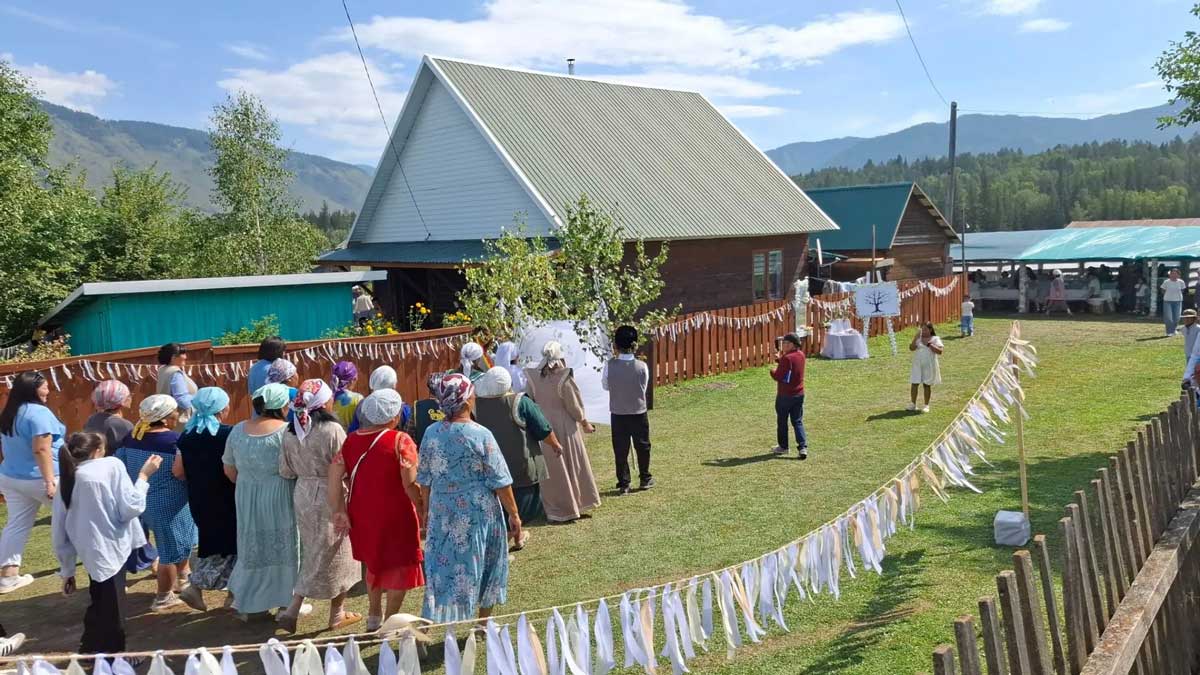
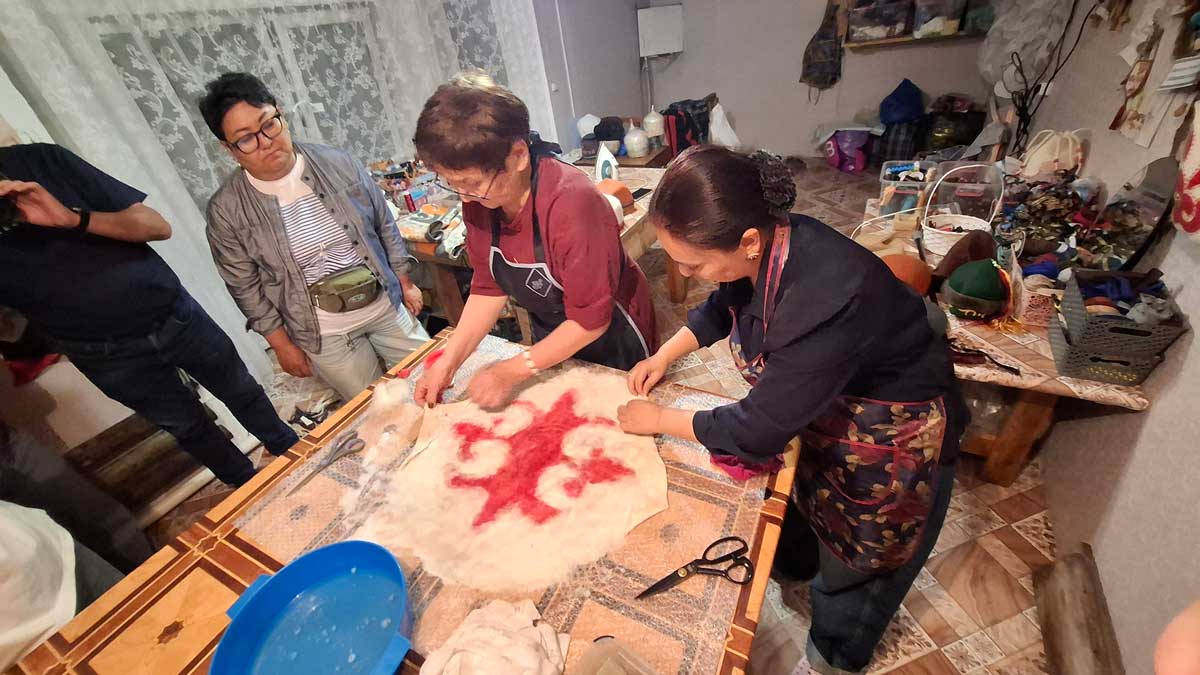
Central Asian scholars highlighted strong linguistic and cultural affinities between local Altai traditions and their own native customs: Shared Crafts & Symbolism: In Ust-Kan, researchers documented traditional felting techniques and shared motifs like the “gochak” (argali horn) ornament, a historical totem across Turkic peoples. Culinary Heritage: Ethnographers observed the preparation of staple foods such as talkan and kurut , which remain common across Central Asia. Rites and Rituals: In the village of Kucherla, the team recorded an Altai wedding ceremony—noting shared symbolism in hair braiding, hearth lighting, and fire-veneration rituals similar to traditional Tajik and Central Asian practices.
Co-organized by Altai State University and Gorno-Altai State University with support from the Russian Geographical Society, the expedition served both as an academic platform and as a space for intercultural dialogue.
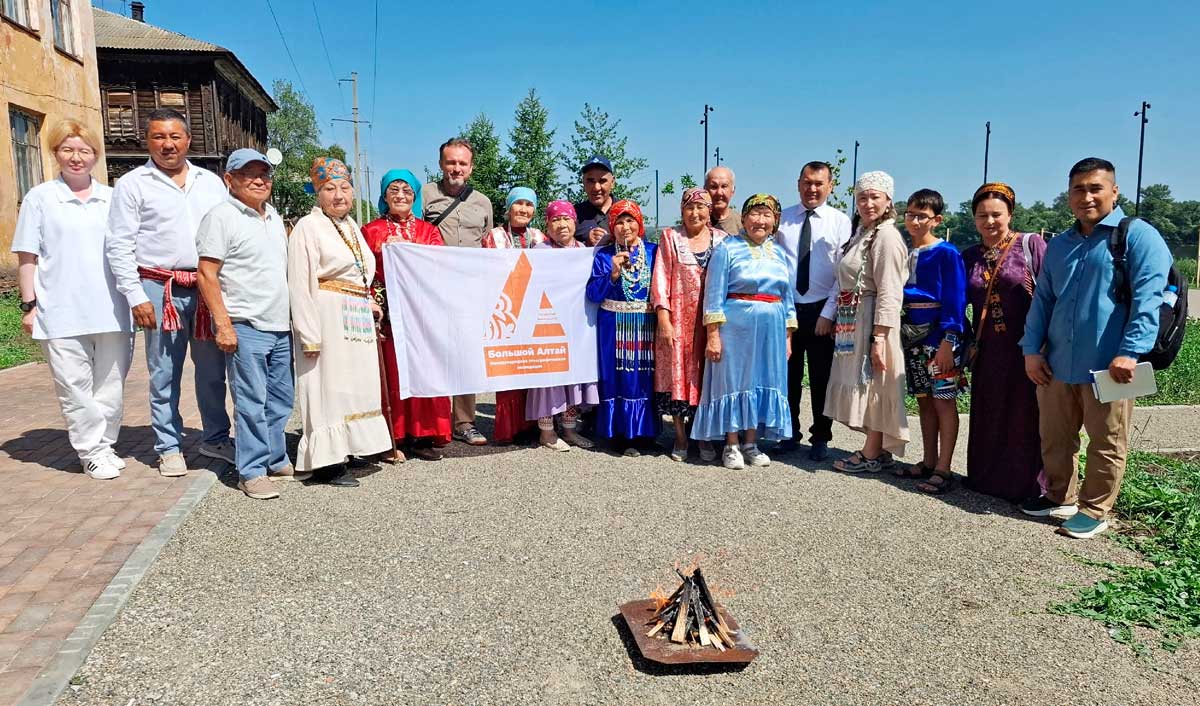
Expedition leader Ivan Nazarov emphasized that the collected materials—spanning hunting traditions, crafts, folklore, and beliefs—will form the foundation for upcoming scientific publications, monographs, and educational programs aimed at preserving the shared heritage of the Greater Altai region.