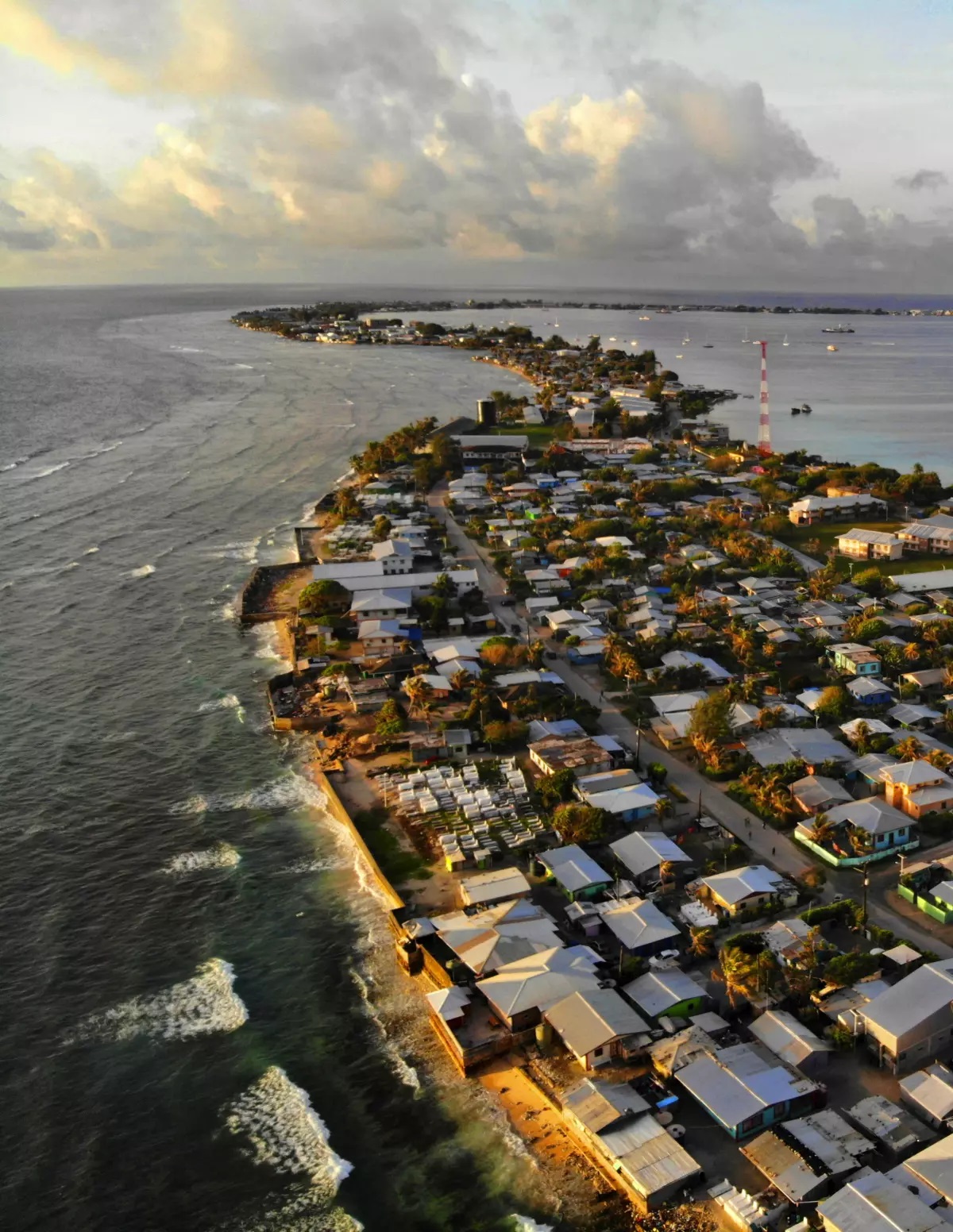



The Marshall Islands introduced a nationwide UBI that pays roughly 200 dollars per quarter (about 800 dollars a year), with residents choosing bank transfers, checks, or a government-backed blockchain wallet. First disbursements occurred in late November, and officials say the program uses a US dollar–pegged stablecoin; early uptake of the digital wallet has been limited.
The Marshall Islands has introduced a countrywide universal basic income program. The first payments were made in late November, and residents can receive funds by bank deposit, paper check, or a government-backed digital wallet that records transfers on a blockchain.
Under the initiative, every resident citizen is entitled to quarterly payments of roughly 200 dollars, or about 800 dollars annually, as the government seeks to offset rising living costs and slow outward migration.