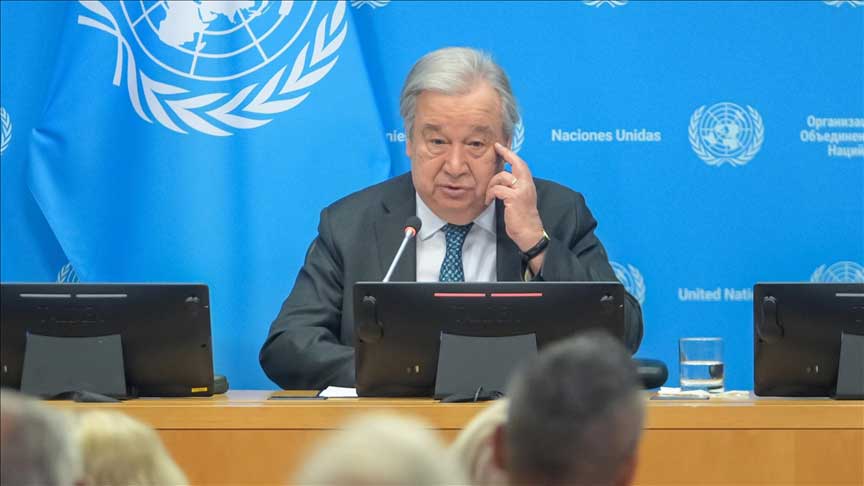



UN Secretary-General António Guterres has presented a list of 40 experts who will be part of a new independent international scientific panel on artificial intelligence. The panel will be the first fully independent global body in the world to monitor and assess the real-world implications of the development of artificial intelligence.
According to the UN News Service, Guterres noted that the work of the panel will help strengthen the multilateral tools for regulating rapidly evolving technologies. “Artificial intelligence is developing at the speed of light. No single country can see the full picture of what is happening,” the UN chief said, stressing that the world needs common guidelines and science-based approaches.
An open global competition was announced to select candidates for the panel. More than 2,600 applications were received. The final list includes experts in machine learning, cybersecurity, health, human rights, child development, and information management systems. All members of the panel will work in their personal capacity, independent of any government agency, private company, or organization.
The Secretary-General said the group would be a key guide at a time when there is a particular need for reliable and impartial information on artificial intelligence. He stressed that the new structure would help “separate facts from disinformation and science from hype.”
“The group will start its work as a matter of urgency,” the Secretary-General promised. The first report will be ready in time for the Global Dialogue on Artificial Intelligence Governance in July, the main international forum for discussing future norms and standards. The conclusion
noted that artificial intelligence is already changing the world and the main challenge is whether states will move forward together in the face of these changes.
“The question is whether we will shape this change together or let it shape us,” he said.
The Secretary-General warned of the particular importance of finding a common platform in the context of growing geopolitical competition and technological rivalry. According to him, the new group can become such a platform, based on science, solidarity, and international cooperation.