


British qualifications into the school sector were discussed. The parties agreed to prepare specific proposals outlining technical requirements and implementation timelines.
International accreditation and quality culture
Representatives of the QAA discussed ESG standards and their adaptation to the national context, the sequence of accreditation procedures, requirements for documentation, evidence, and the monitoring system for educational programs, as well as approaches to learning outcomes assessment and academic management. Potential for capacity-building programs for university leaders and staff was discussed, including a series of thematic webinars and consulting support during the pre-accreditation phase.
Following the meeting, the parties confirmed their interest in moving to the practical phase of cooperation, which would involve the preparation of a written proposal by QAA, an introductory online session, and the development of a joint mechanism for coordinating further work.
Exploring the Wellington International Schools Track During a separate meeting with Mark Labovich, an expert on international schools and global partnerships, the participants discussed modern operating models for British-style international schools, including management architecture, academic standards, and mechanisms for ensuring sustainable quality. The focus was on methodological and institutional aspects: the school’s governance structure, the distribution of academic and administrative responsibilities, the model for engaging with an international educational brand, and the principles of long-term quality assurance.
The parameters of academic policy are also considered, including the formation of an educational mission, requirements for curricula, a system for assessing student achievement, mechanisms for internal monitoring and regular external verification of compliance with international standards, as well as approaches to the selection, certification and professional development of teachers and the role of academic leadership in ensuring stable educational results.
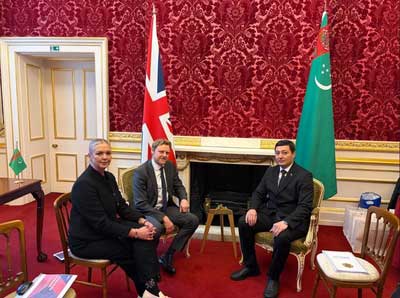
The working visit confirmed the progressive development of educational cooperation between Turkmenistan and the UK and its focus on achieving specific, measurable results within the framework of a long-term strategy for the modernization of the national education system.