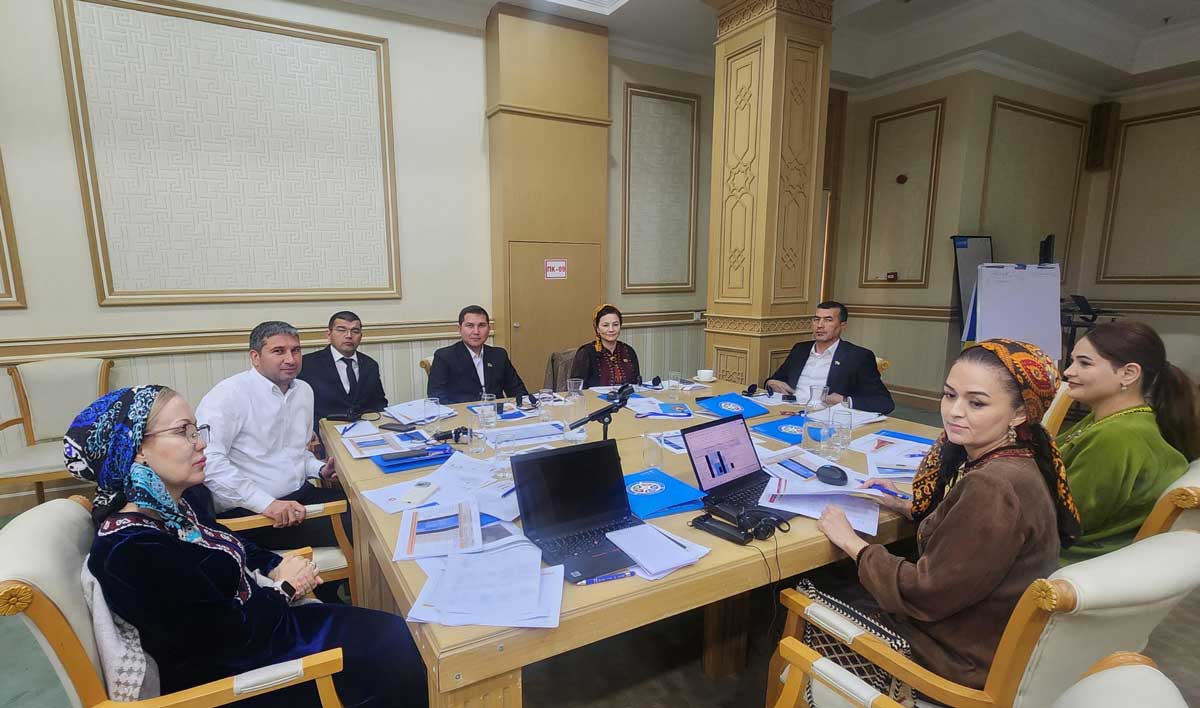



Representatives from ministries and agencies, higher education institutions, and civil society organizations participated in a four-day national workshop in Ashgabat last week.
The workshop aimed to discuss the preliminary results of an assessment of Turkmenistan’s social protection system, explore potential reform areas, and plan further steps to improve the inclusiveness, sustainability, and effectiveness of social protection programs.
The assessment is being conducted with the support of UNICEF and in partnership with the International Labor Organization and the World Bank using the Inter-Agency Core Diagnostic (CODI) for Social Protection Systems.
Particular emphasis was placed on improving living standards, reducing the urban-rural divide, supporting families, and ensuring equal access to services. Key assessment criteria included governance quality, financial sustainability, operational efficiency, and the system’s ability to reach those most in need.
Participants discussed the use of the findings to shape reform policy. The CODI process facilitated evidence-based dialogue about the system’s strengths, as well as opportunities for further improvement and innovation.
At the same time, the importance of continuing interagency cooperation, developing unified information systems, and strengthening coordination to support families facing multiple forms of vulnerability was emphasized.
It should be noted that Turkmenistan’s efforts to strengthen the social protection system reflect the country’s commitment to ensuring that all children and families—especially those most in need—have access to timely and high-quality support.