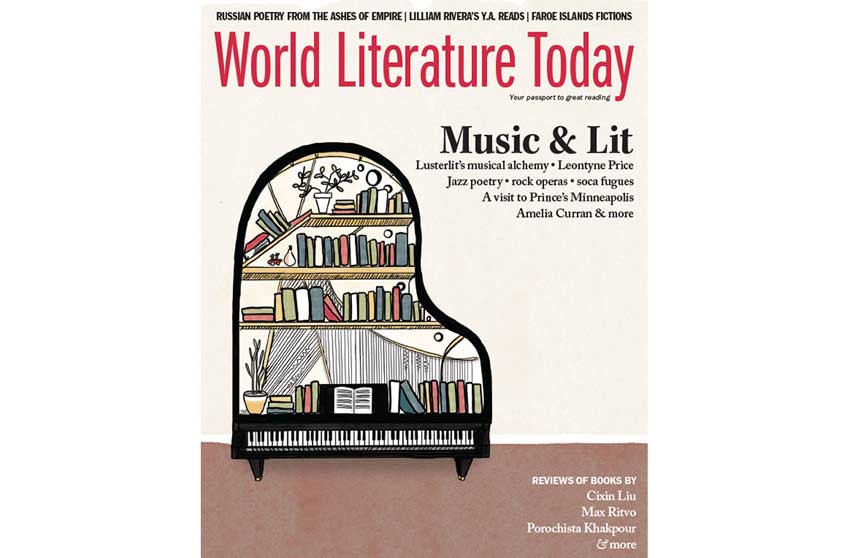



One of the most prestigious publications in international literature, World Literature Today (WLT) magazine, celebrated its 100th anniversary in January 2026. Founded a century ago, this publication is now considered the largest intellectual platform that brings together writers, poets, translators and readers from all over the world.
The history of the magazine dates back to January 1926. It was originally founded by Professor Roy Temple House at the University of Oklahoma in Norman, USA, under the name Books Abroad. The main goal of the magazine was to introduce readers to new literary works from all over the world, transcending language and borders. In 1977, the name of the publication was changed to its current form, World Literature Today.
The January issue of the journal, dedicated to its 100th anniversary, brought unexpected gifts to the literary world: the previously unpublished work “How Nathanael Pays a Visit” by Nobel Prize winner and Colombian writer Gabriel García Márquez is available to readers for the first time. Also, the famous Canadian writer and Neustadt Prize winner Sherry Dumalin has been chosen as the main subject of this issue. Her works are considered some of the best examples of contemporary indigenous literature. The journal’s editor-in-chief, Daniel Simon, announced a new anthology called
“A Compass on the Navigable Sea” to be published in 2026. This book will collect the most influential works that have left their mark on the journal’s century-long history. “World Literature Today” is not just a journal, but a compass of international literature. Every year, it reviews works translated from more than 60 languages and organizes the Neustadt International Literary Prize, one of the world’s largest literary awards. Many of the winners of this award later go on to win the Nobel Prize in Literature. The journal’s editorial board states in its statement, “Over the course of a century, we have witnessed the most difficult moments and the greatest achievements of world literature. 100 years is not only a history, but also a starting point for discovering new works for the next century.”