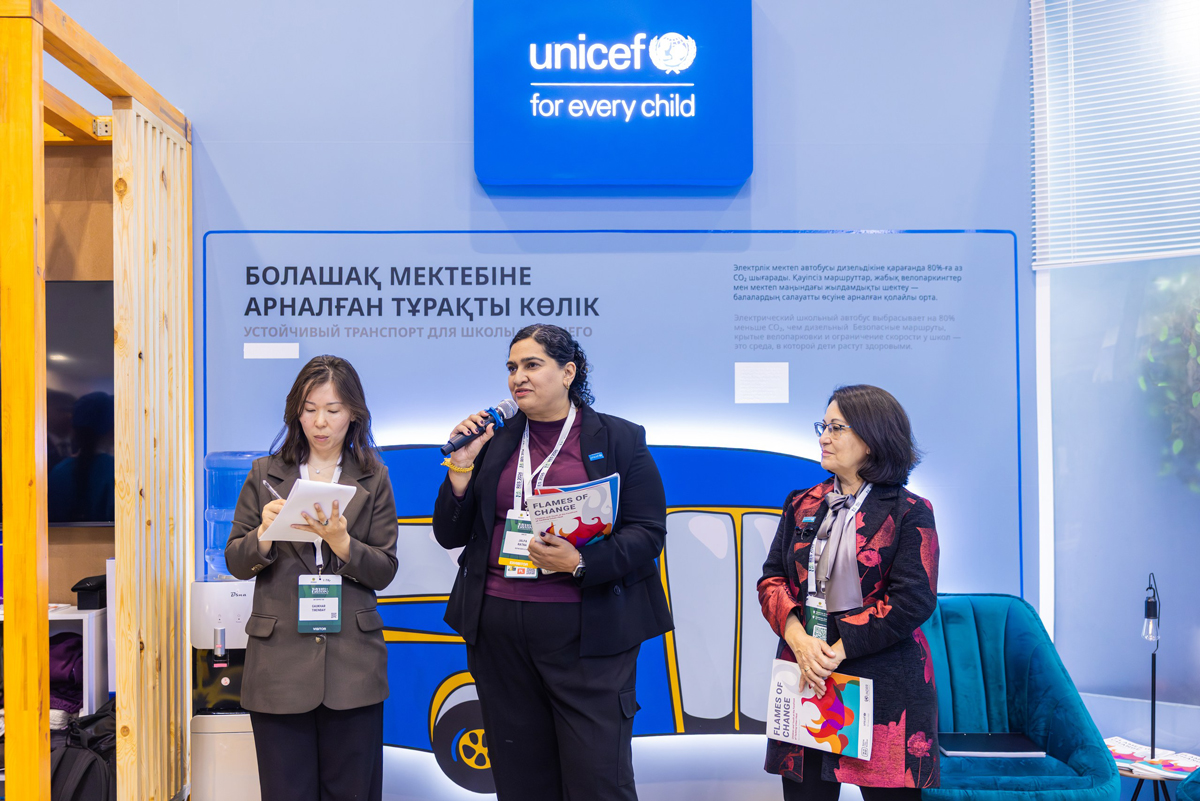
Turkmenistan has joined fellow Central Asian nations at the Regional Ecological Summit (RES 2026) to endorse the Regional Green School Platform. This initiative aims to modernize education systems by making schools greener, safer, and more resilient to climate-driven disruptions.
The endorsement focuses on four critical pillars:
Child Protection: Building resilient infrastructure to prevent climate shocks from disrupting learning and health.
Enhanced Learning: Equipping students with practical environmental skills.
Targeted Investment: Aligning international financing for low-carbon school infrastructure.
Youth Empowerment: Ensuring young people have a formal seat in climate decision-making.
Turkmenistan’s Leadership in Climate Education
The Turkmen delegation, led by Deputy Minister of Education Mr. Azat Atayev, highlighted that the country has already integrated climate adaptation into its national curriculum. Key milestones include:
Curriculum Updates: Distribution of the 2026 “Climate Box” toolkit for grades 2–11.
Teacher Training: Systematic rollout of methodological guides on disaster risk reduction.
Infrastructure Proposals: Turkmenistan recommended the creation of a regional bank for educational materials and practical, costed solutions for water-saving and energy-efficient school designs.
Youth as Architects of Change
A central theme of the summit was the active participation of youth delegates. In workshops like “Future Ecosystem,” Turkmen youth joined regional peers to present policy recommendations on urban heat and sustainable water management.
Supported by UNICEF, Turkmenistan’s commitment underscores a regional shift toward treating climate action not just as an environmental necessity, but as a vital investment in human capital.